Embracing Nostalgia: The Allure of Vintage Tulip Backgrounds
A Garden of Digital Possibilities
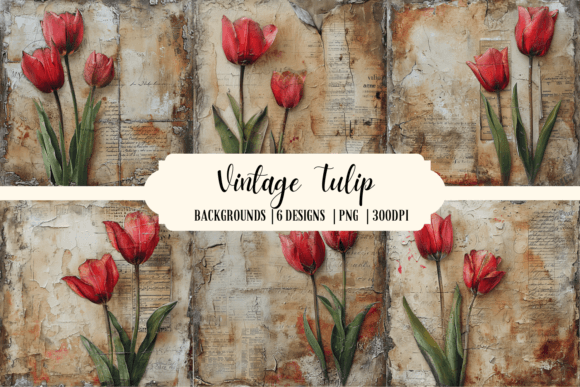
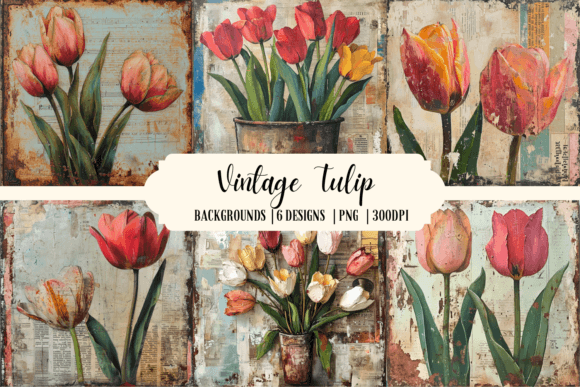
There’s a certain warmth that comes with vintage aesthetics—a blend of nostalgia, simplicity, and organic beauty. Vintage Tulip Backgrounds capture this feeling perfectly, offering a collection of digital design assets that bring a soft, floral elegance to any project. These aren’t just generic patterns; they are thoughtfully crafted backgrounds that evoke the gentle charm of a spring garden, rendered in a classic style that feels both timeless and versatile.
Each background in this set features tulips—the iconic spring flower—arranged in patterns that balance detail with clean, usable space. The visual style leans into a muted, slightly faded color palette, reminiscent of aged botanical prints or old wallpaper. This gives the designs a sophisticated, handmade quality that avoids looking overly digital or sterile. The overall personality is one of quiet elegance, making it a superb creative font alternative for projects where you need a textured, organic foundation rather than a typographic element.
Where These Backgrounds Truly Blossom
The real strength of Vintage Tulip Backgrounds lies in their adaptability across a wide spectrum of creative, branding, and commercial projects. For logo design and brand identity, these patterns can serve as a subtle backdrop for business cards, letterheads, and packaging. Imagine a boutique bakery or a floral shop using one of these as the foundational texture for their packaging design—it instantly communicates a handmade, artisanal quality.
In the realm of editorial design and publishing, these backgrounds are a game-changer. They provide a visually rich base for book covers, magazine layouts, or blog headers that need a touch of nature-inspired sophistication. For social media graphics, they offer a consistent and engaging visual theme that can make a brand’s feed look curated and professional. The high-resolution, 300 DPI files ensure that whether you’re designing for web design or high-quality print, the clarity remains impeccable.
Beyond digital applications, these backgrounds excel in the physical world. Their size—12x12 inches at 3600x3600 pixels—is ideal for a multitude of projects. Crafters and hobbyists will find them perfect for creating custom greeting cards, scrapbook pages, or party invitations. Small business owners can use them for sublimation printing on mugs, t-shirts, tote bags, and more. The premium font equivalent here is the premium quality of the graphic itself, ensuring your printed products look sharp and professional.
Practical Guidance for Using Floral Assets
When incorporating a pattern like Vintage Tulip Backgrounds into your work, the goal is to enhance, not overwhelm. These assets work best as a supporting element. Pair them with clean, modern sans serif fonts for a striking contrast that keeps text readable. A bold serif font can also work beautifully, leaning into the vintage feel for a more thematic design. The key is to establish a clear visual hierarchy; the background should set the mood, while your typography and main graphics deliver the message.
Always test the background with your chosen color scheme and text. Because the patterns have their own color and texture, ensure your foreground elements have enough contrast to maintain readability. The included PNG files with transparent or solid backgrounds offer flexibility here. For projects requiring a commercial font or asset, verify the licensing. These digital files are typically licensed for personal and commercial use, but it’s a standard best practice to review the terms provided by the creator, Babydell Art, to ensure your specific application is covered.
Think of these backgrounds as foundational design assets. They can unify a brand’s marketing materials, add depth to digital products, and bring a cohesive aesthetic to personal creative endeavors. By choosing a style that aligns with your project’s personality—whether it’s rustic, elegant, or whimsical—you leverage these assets to build stronger brand perception and deeper audience engagement. The true value is in their ability to make your work feel more considered, textured, and ultimately, more human.